+917014543770
+917742318486
260 , Jawahar Nagar Colony Sawai Madhopur Rajasthan ,Pincode:322001
info@ranthamborenationalpark-india.com


Situated in the southeastern part of Rajasthan, Ranthambore National Park is located approximately 130 kilometers from Jaipur, the capital city of Rajasthan, making it easily accessible for tourists.The Park is nestled between the Aravali and Vindhya hill ranges. . The park is characterized by a rugged terrain with dense forests, lakes, and ancient ruins, creating a unique backdrop for wildlife enthusiasts and nature lovers alike Ranthambore.
Ranthambore National Park, located in the Sawai Madhopur district of Rajasthan, India, is a captivating wilderness destination that showcases the rich biodiversity and awe-inspiring wildlife of the region. Spread over an area of approximately 392 square kilometers, the park offers visitors a unique opportunity to witness the majestic Royal Bengal tigers in their natural habitat. In this article, we will delve into the fascinating aspects of Ranthambore National Park, from its history and conservation efforts to the thrilling safari experience and nearby attractions.
The timings for safari at Ranthambore National Park in India may vary depending on the season. Generally, there are two safari slots available each day, one in the morning and one in the afternoon. The morning safari usually starts early, around sunrise, while the afternoon safari starts in the afternoon and ends before sunset. However, please note that it is advisable to check the official website or contact the park authorities for the most accurate and up-to-date information regarding safari timings. The park authorities can provide you with the exact schedule and any changes that may occur due to weather conditions or other factors.
Months | Morning Safari | Evening Safari |
|---|---|---|
October 1 to October 31 | 6.30 a.m. to 10 a.m. | 2.30 p.m to 6.00 p.m |
November 1 to January 31 | 7.00 a.m to 10.30 a.m | 2.00 p.m to 5.30 p.m |
February 1 to March 31 | 6.30 a.m to 10.00 a.m | 2.30 p.m to 6.00 p.m |
April 1 to May 15 | 6.00 a.m to 9.30 a.m | 3.00 p.m to 6.30 p.m |
May 15 to June 30 | 6.00 a.m to 9.30 a.m | 3.30 p.m to 7.00 p.m |
Ranthambore National Park offers an incredible opportunity to explore the untamed wilderness and witness the majestic wildlife in their natural habitat. As you plan your visit to this renowned national park, it’s essential to understand the pricing structure for Ranthambore safaris to make informed decisions and ensure an unforgettable experience within your budget.
Safari | Indian National (Per Person ) | Foreign National | Time Duration | Zone |
|---|---|---|---|---|
Canter Safari | 1300.00 INR | 3500.00 INR | 3.30 Hrs | Single Zone |
Gypsy Safari | 2000.00 INR | 4200.00 INR | 3.30 Hrs | Single Zone |
Private Gypsy | 12000.00 INR | 25200.00 INR | 3.30 Hrs | Single Zone |
Private Canter | 26000.00 INR | 70000.00 INR | 3.30 Hrs | Single Zone |
Tatkal Gypsy | 28000.00 INR | 45000.00 INR | 3.30 Hrs | Single Zone |
Ranthambore National Park is a renowned tiger territory located in the state of Rajasthan, India. It is one of the most popular wildlife sanctuaries in the country, known for its thriving population of Bengal tigers. Covering an area of approximately 392 square kilometers (151 square miles), Ranthambore Tiger Reserve is characterized by a diverse landscape consisting of dense forests, open grasslands, and picturesque lakes. This varied terrain provides an ideal habitat for a wide range of wildlife species, with tigers being the most iconic and sought-after attraction.
Territory of Tigers | Zone |
|---|---|
Sultana-T107 and cubs ( F), T01 ( M), Noori T105 & cub( F) | Zone No 1 |
Noori-T105 & cubs( F), T 60 (F), T57 ( M), T 101 (M), Arrow head T84 (F) , T119 (F) | Zone No 2 |
Riddhi-T124 (F) , T120 ( M) & Cubs, T 41 (F) | Zone No 3 |
Riddhi-T124 (F) , T120 ( M), T19 ( F), Shakti -T111 & cubs, T 121(M), T 41 (F) | Zone No 4 |
T102 & cubs , T 125(F), T41( F), and T 103 ( F) | Zone No 5 |
T34, T8 and 3 cubs, T39 Noor & Cub , T58 ( M), T127 F | Zone No 6 |
T58 ( M), T61 ( F) | Zone No 7 |
T58 ( M), T61 ( F) | Zone No 8 |
T62 (M), T99 (F). T108 (M) | Zone No 9 |
T58 ( M), T34 ( M), T114 & cubs ( F), T 99 & cubs ( F) | Zone No 10 |
Ranthambore National Park, located in the state of Rajasthan, India, is renowned for its majestic Ranthambore Tiger Reserve, which is one of the country’s largest and most famous tiger reserves. Besides tiger sightings, there are numerous other activities and attractions to explore in and around Ranthambhore Park.
A jungle safari is an exciting adventure that involves exploring and observing wildlife in their natural habitat, typically in dense forested areas known as jungles or rainforests. These safaris provide an opportunity to see a wide variety of animals, birds, and plant species that are unique to these ecosystems.
Ranthambore offers fantastic opportunities for photography enthusiasts. Capture the majestic tigers, stunning landscapes, and vibrant culture of the region through your lens.Early mornings and late afternoons are the best times for bird photography as the lighting is soft and warm.
Chambal Safari
The Palighat Chambal Safari is a popular tourist attraction located in the Chambal Valley of India. It offers visitors a unique opportunity to explore the diverse wildlife and scenic beauty of the region. The safari takes place along the Chambal River, which is known for its rich biodiversity.
Sightseeing in Ranthambhore is an amazing experience that everyone should try out once in their lifetime. Get ready to be amazed by its natural beauty! Sightseeing in Ranthambhore is an unforgettable experience in Jungle of Ranthambhore tiger Reserve
1-Types of safaris available
Embarking on a wildlife safari is the best way to explore the mesmerizing wilderness of the Ranthambore National Park. The park offers both jeep and canter safaris, allowing visitors to get up close and personal with its magnificent inhabitants. A jeep safari is a popular choice for those who prefer a more intimate and personalized experience. With a maximum capacity of six people, a jeep safari allows for a more flexible and immersive wildlife encounter. A trained naturalist accompanies each jeep safari, providing valuable insights into the park’s flora and fauna.
For larger groups, a canter safari is a great option. Canter safaris can accommodate up to 20 people and offer a comfortable and convenient way to explore the park. Although canter safaris are slightly less intimate than jeep safaris, they still provide ample opportunities to spot wildlife and capture stunning photographs. It’s important to note that safari timings and availability are subject to change, so it’s advisable to check with the park authorities or your tour operator for the latest information. Additionally, it’s recommended to book your safari in advance, especially during peak tourist seasons, to secure your spot.
Canter Safari
Canter Safari is 20 Seater Vehicle a popular and exciting way to explore the magnificent Ranthambhore National Park. It offers a unique wildlife viewing experience, allowing visitors to venture deep into the park’s diverse landscapes and witness its captivating flora and fauna. Canter safaris provide an opportunity to immerse yourself in the natural beauty of Tiger Reserve while enjoying the thrill of spotting wildlife in their natural habitat.
Gypsy Safari
A Gypsy safari is a 6 seater Vehicle involves traversing the vast landscapes of National Park in an open-top, four-wheel-drive vehicle known as a Gypsy. These vehicles are specifically designed to navigate through the rugged terrains, offering an adventurous and immersive experience for wildlife enthusiasts. Gypsy safaris are conducted under the guidance of experienced naturalists or trained safari guides.
Ranthambore National Park is renowned for its diverse range of wildlife species, making it a paradise for wildlife enthusiasts and photographers. The park’s most famous resident is undoubtedly the regal Bengal tiger. With its majestic presence and striking beauty, the tiger is the undisputed star of Ranthambore. Spotting a tiger in the wild is an experience that can only be described as magical, and Ranthambore Safari offers one of the best chances to witness these magnificent creatures in their natural habitat.
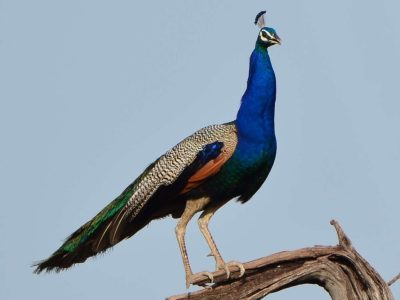
The park is also home to a wide variety of herbivores, including sambar deer, spotted deer, nilgai, and chital. These gentle giants can often be seen grazing peacefully in the grasslands or drinking from the park’s numerous water bodies. For bird lovers, Ranthambore Tiger Park offers a rich variety of avian species, ranging from colorful peafowls to majestic raptors. With such a diverse range of wildlife species, Ranthambore Tiger Reserve is a paradise for nature enthusiasts and photographers alike.
The Ranthambore Tiger Reserve is an amazing place where you can see wildlife animals like tigers, leopards, elephants, bears, monkeys, deer, etc. It is located in Rajasthan, India. You can visit this place by booking a Safari tour or hiring a car. There are many hotels near the park. You can stay there for a night or two. You can also book accommodation online. You can enjoy the beauty of nature while staying there.
Visitors can take pictures of these beautiful Animals like Tigers, Leopards, Striped Hyenas, Sambar deer, Chital, Nilgai, Common or Hanuman langurs, Macaques, Jackals, Jungle cats, Caracals, Sloth bears, Black bucks, Rufous tailed Hare, Indian Wild Boar, Chinkara, Common Palm Civets or Toddy cat, Common Yellow Bats, Desert Cat. The park is also home to a sizable population of marsh crocodiles, including snub-nosed marsh crocodiles, desert monitor lizards, tortoises, banded kraits, cobras, common kraits, ganga soft shelled turtles, indian pythons, north Indian flap shelled turtles, rat snakes, russell’s vipers .


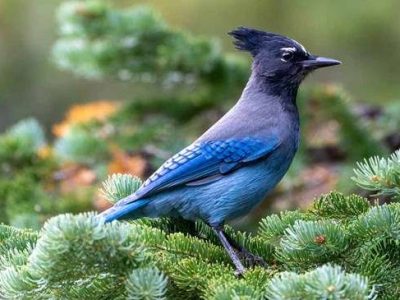
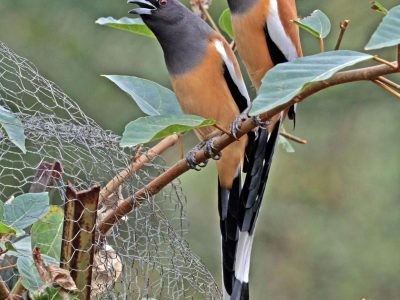
Ranthambore National Park, known for its rich biodiversity and thriving wildlife, is not only a haven for wildlife enthusiasts but also an exceptional destination for birdwatchers. With its diverse habitats and strategic location in Rajasthan, India, Ranthambore offers a perfect environment for a wide variety of avian species. Birdwatchers from around the world flock to Ranthambore to witness the breathtaking beauty of its feathered inhabitants and indulge in a truly immersive birding experience.
Migratory Birds: Ranthambore National Park serves as a temporary home to numerous migratory birds during the winter season. These winged travelers embark on long journeys, seeking refuge in Ranthambore’s serene lakes and wetlands. Painted Storks, Common Teals, Steppe Eagles, and various species of Wagtails are just a few examples of the migratory birds that grace the park with their presence.
Resident Birds: Ranthambore’s resident bird population is equally fascinating. The park boasts a diverse array of bird species that have adapted to its unique ecosystems. From the elegant Indian Peafowl displaying its vibrant plumage to the regal Indian Eagle-Owl perched on ancient tree branches, Ranthambore offers an impressive showcase of resident avifauna.
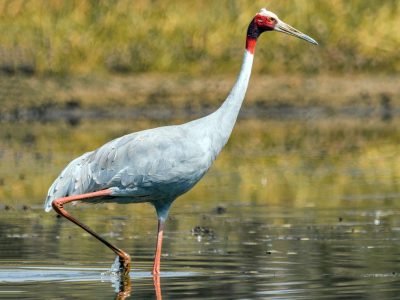
Endangered and Rare Species: National Park is a home to several endangered and rare bird species, making it a significant conservation area. The elusive Indian Courser, critically endangered White-backed Vulture, and the elegant Sarus Crane are among the noteworthy avian inhabitants that find sanctuary within the park’s boundaries.



Tourists Places – Ranthambore Tiger Reserve is one of the most popular tourist destinations in India. There are many places to see in Sawai Madhopur like Fort, Wildlife Sanctuary, Lake, Safari ,Kachida Valley, Padam Talao, hotels,Trinetra Temple etc.

Ranthambhore Fort
Visit the historic Ranthambhore Fort, a UNESCO World Heritage Site that dates back to the 10th century. Explore the impressive architecture, ancient temples, and enjoy panoramic views of the surrounding landscape
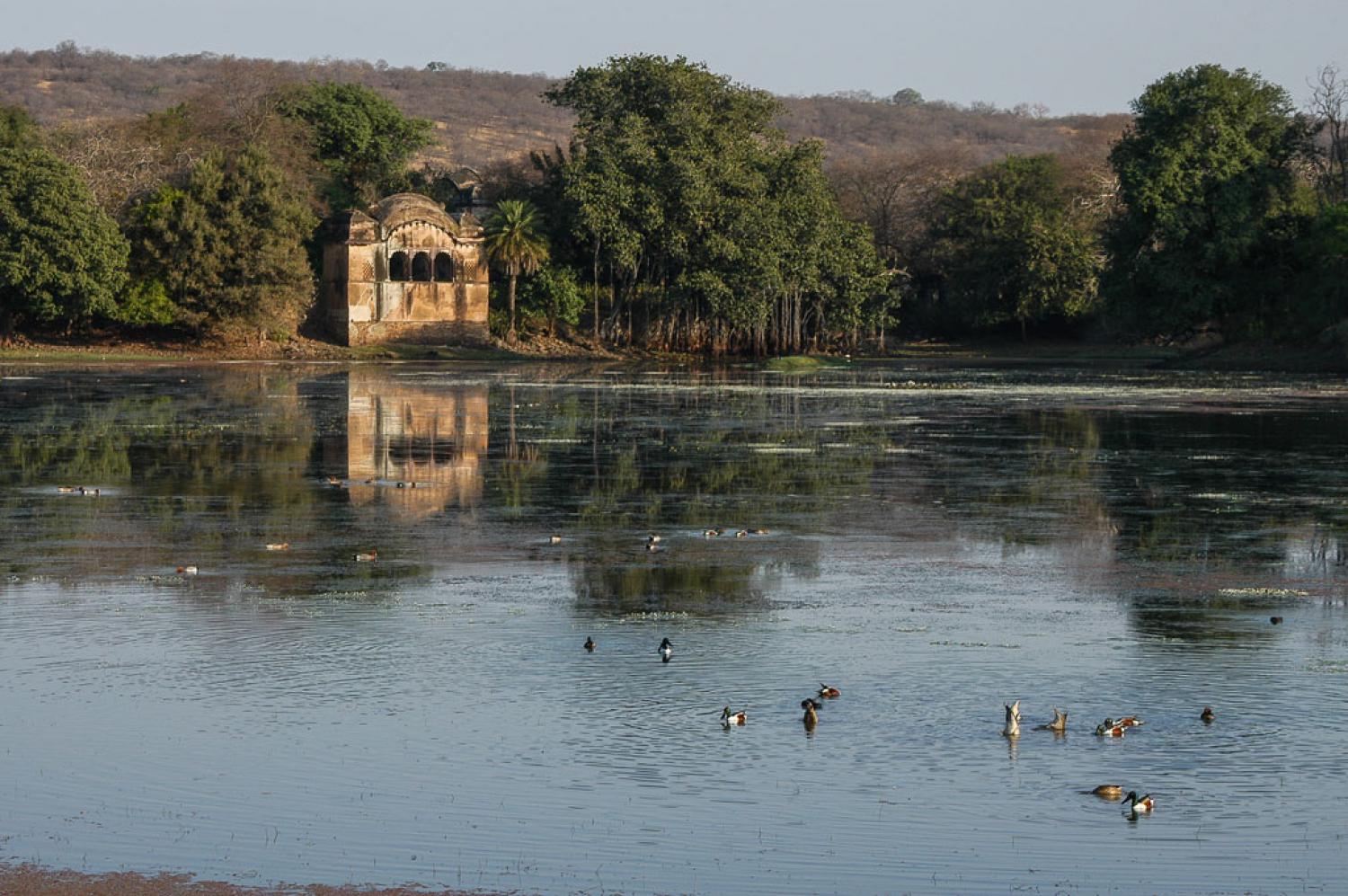
Padam Talao
In addition to its natural beauty, Padam Talao is also home to the iconic Jogi Mahal, a historic hunting lodge situated on the lakeshore. Jogi Mahal offers stunning views of the lake and surrounding wilderness.

Kachida Valley
Kachida Valley is a picturesque and rugged terrain within the park that spans approximately 500 hectares. It is characterized by its undulating landscape, rocky outcrops, and dense vegetation, offering a unique habitat .
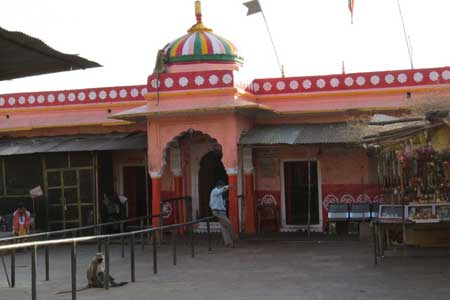
Trinetra Temple
Pay a visit to the Trinetra Ganesh Temple located within the Ranthambhore Fort. This temple is dedicated to Lord Ganesha and is believed to be one of the oldest Ganesha temples in Rajasthan.
The story of the tigers in Ranthambhore is one of fierce competition, survival, and the ever-changing dynamics of nature. It serves as a reminder of the delicate balance between humans and wildlife, and the importance of conservation efforts to preserve these magnificent creatures for generations to come.


Machli T-16 Tigress
Machali T-16, also known as "Queen of Ranthambore," was a famous tigress in Ranthambore National Park, located in Rajasthan, India. She gained widespread recognition and popularity among wildlife enthusiasts and researchers.

Sundari T-17 Tigress
The Sundari T-17 tigress is a prominent tigress known for its significance in wildlife conservation efforts. She gained fame for her role in the reintroduction of tigers in the Sariska Tiger Reserve, located in the state of Rajasthan, India.
+917014543770
+917742318486
260 , Jawahar Nagar Colony Sawai Madhopur Rajasthan ,Pincode:322001
info@ranthamborenationalpark-india.com